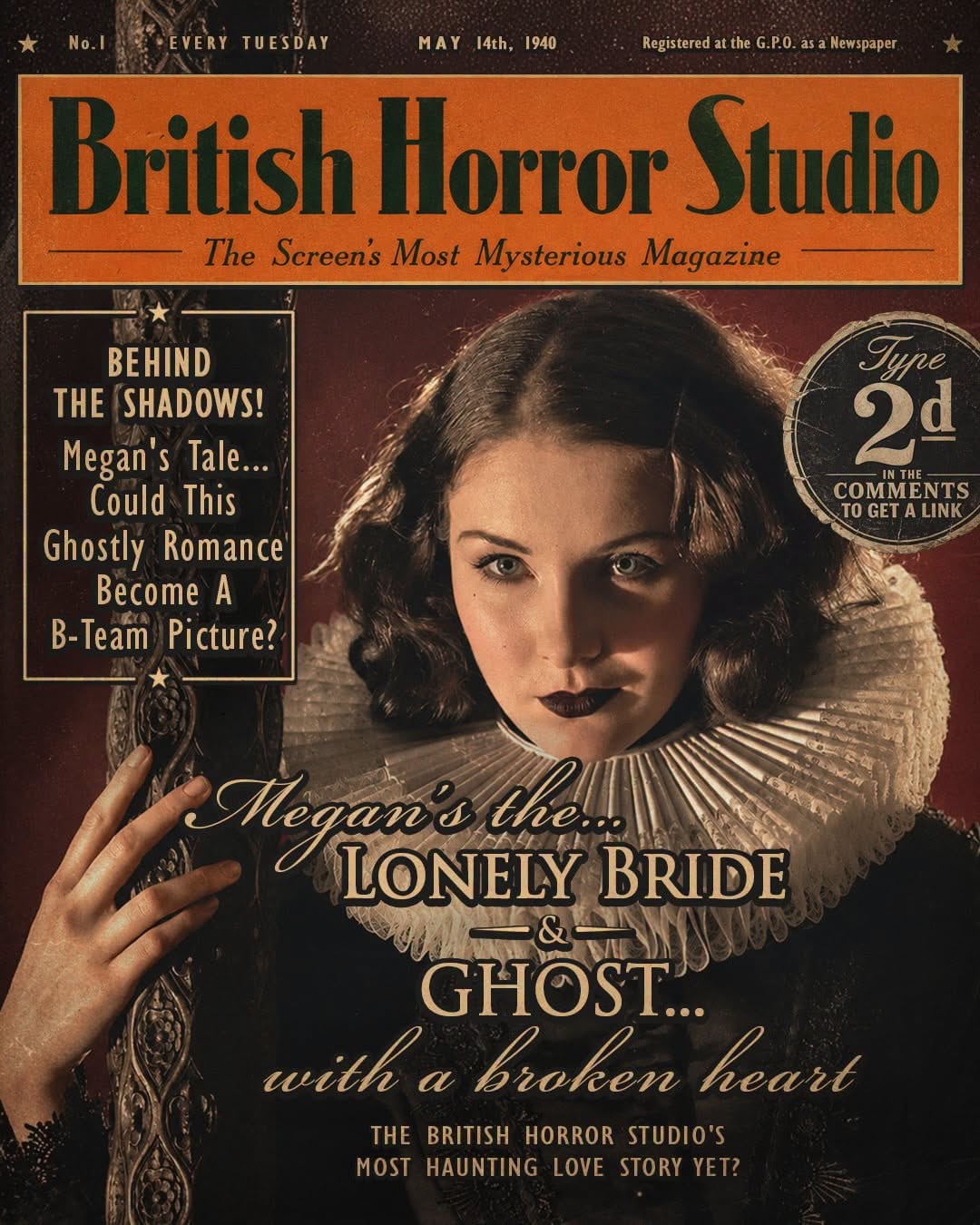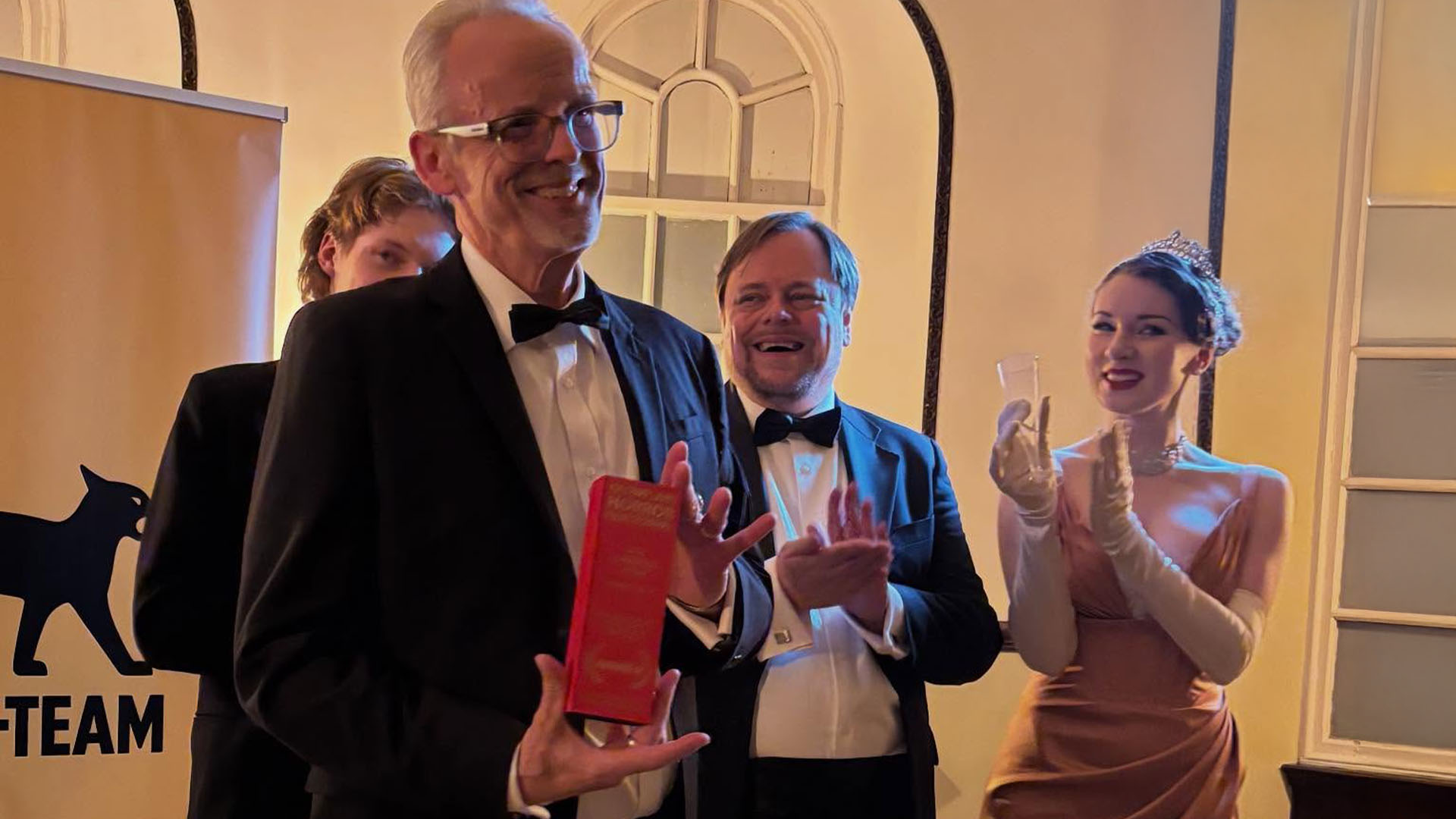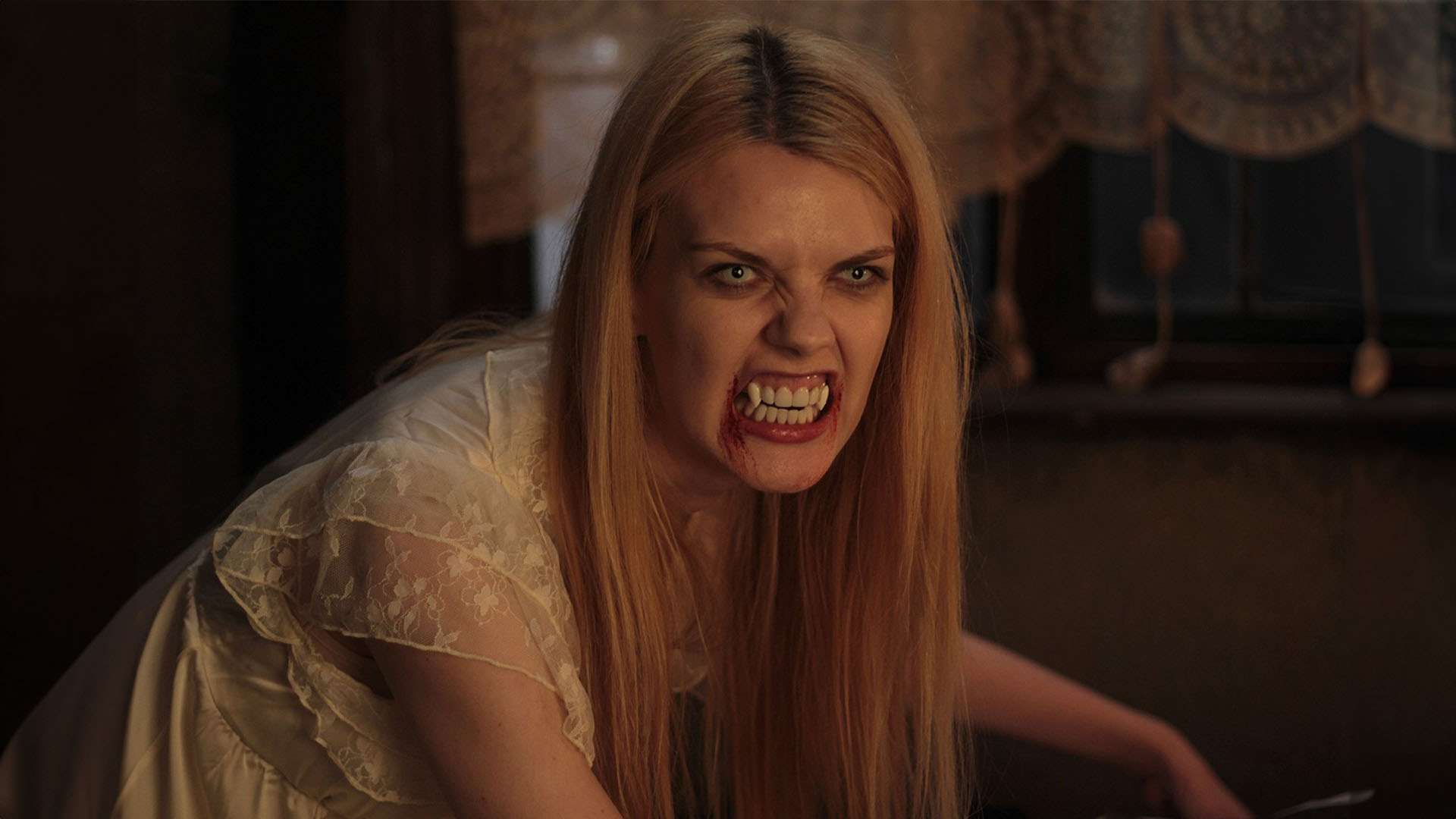
Few within the British Horror Studio community could have anticipated the sudden surge of attention that has seen membership of the Patreon platform double to more than 3,500 registered members in the space of a single week. What began as an internal awards initiative has rapidly evolved into a widely discussed event within the independent horror scene, driven in part by the public campaigns and growing audiences surrounding artists such as Megan Tremethick and Ayvianna Snow, and even attracting discreet interest from established industry figures who have privately praised the Awards polls and the artists involved.
The British Horror Studio Awards recognise excellence across three categories: Best Actress, Best Actor and Best Director. Each award exists in two forms. The first is a public poll, open, competitive and driven by audience engagement, which has energised the independent horror community and encouraged widespread participation. The second is the British Horror Studio Jury Award, deliberated separately by a panel, with nominations announced independently.
It is the public poll, however, that has generated the most immediate excitement. Structured across two rounds, the first stage invited a broad field of nominees to compete for audience support, with the four highest placed artists advancing to a final round that will determine the overall winner. This format has encouraged direct engagement between artists and audiences on a scale rarely seen within British independent horror.
At its core, the Awards exist to acknowledge filmmakers and performers who have prioritised craft, performance and artistic contribution within the genre. They reflect a wider philosophy held by the British Horror Studio, one that values traditional storytelling, theatrical discipline and considered filmmaking over the pressure to produce content in ever greater volume.
The Battle for Best Actress
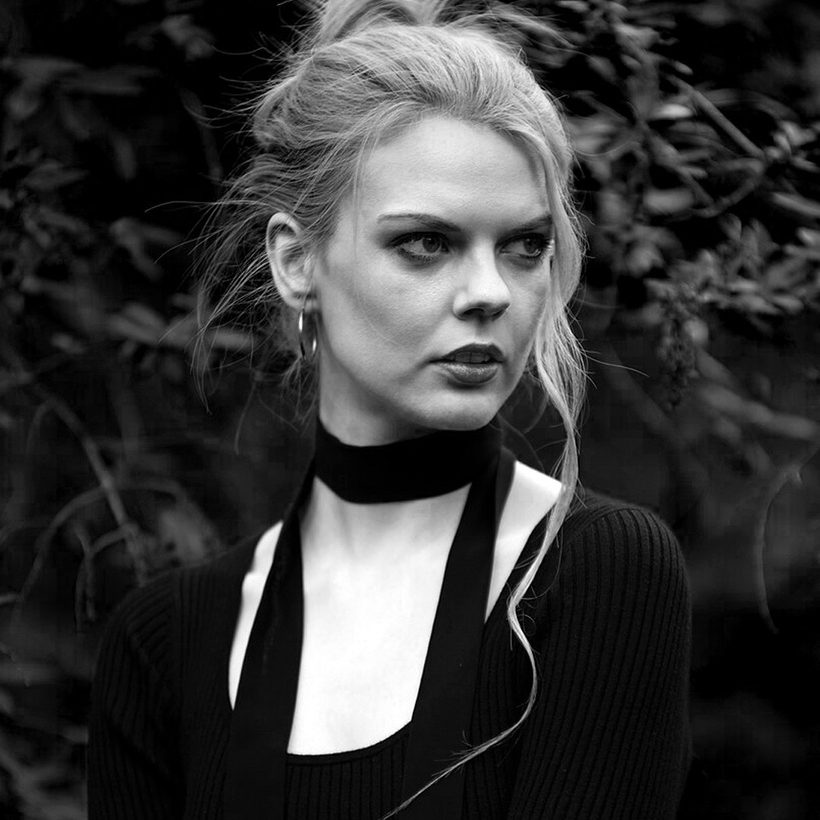
Fortunately they’re not not Joan Crawford or Bette Davis, but rising independent horror figures Megan Tremethick and Ayvianna Snow quickly emerged as two of the most compelling presences in the competition. Friends and supporters of one another, both actresses have consistently spoken warmly of each other’s work. What they share is a growing and highly engaged audience, built through sustained effort and an ambition to operate independently of the restrictive structures that often limit performers within the industry.
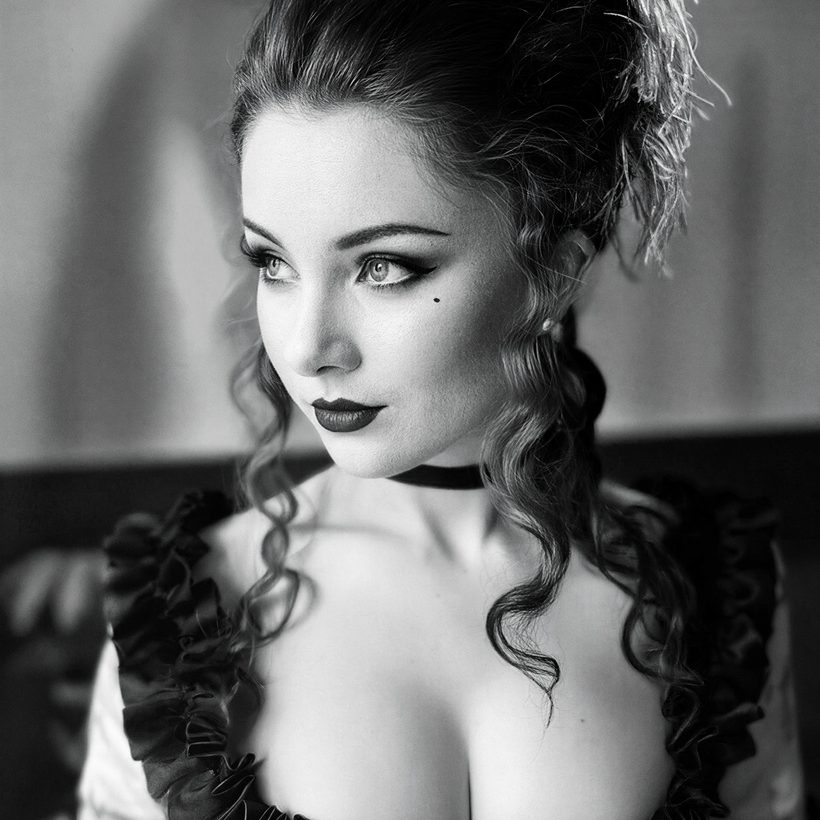
Both have taken the decisive step of establishing their own production companies, with the aim of developing projects aligned with their creative values and long term ambitions. Their approach reflects a broader shift within independent film, as actors, writers and directors increasingly assume producing roles in order to safeguard artistic integrity and resist the commercial cynicism that is eroding the horror genre within indie film.
The Dramatic First Round Shocked Voters
The opening round of the Best Actress poll featured fifteen performers, including Michaela McCormick, Amber Doig-Thorne, Nicolette McKeown, Charlie Bond, Amy Mackie, Briony Monroe, Gwyneth Evans, Emily Rode Holt, Elle O’Hara, Dani Thompson, Hannah Paterson, Annabella Rich and Hannah Baxter-Eve, alongside Megan Tremethick and Ayvianna Snow.
The contest proved highly competitive, drawing hundreds of new members into the British Horror Studio community as supporters joined specifically to participate in the vote. Ayvianna Snow quickly established a commanding lead, supported by heartfelt posts and direct video appeals that resonated strongly with audiences. Her long standing involvement with the actors’ union Equity, combined with her reputation as a generous supporter of fellow creatives, translated into sustained and visible backing.
Megan Tremethick adopted a more measured approach, drawing initially on strong support from established members of the community. A smaller number of carefully selected posts secured an early lead before she was overtaken by Snow and ultimately finished the round in second place.
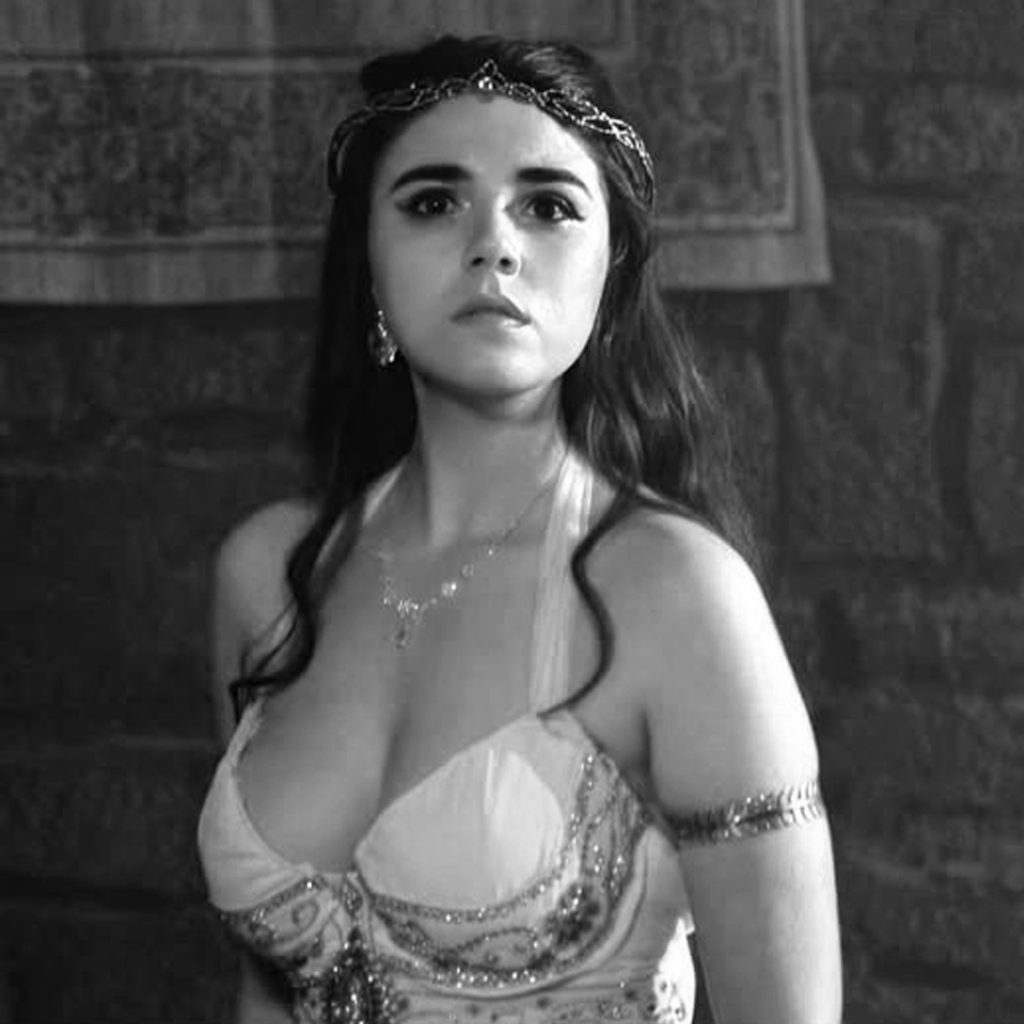
Close behind were Briony Monroe, co star of The Slave and the Sorcerer, and Amy Mackie, the emerging talent behind the Scottish slasher Shiver Me Timbers. Michaela McCormick followed for Baby in the Basket, alongside Elle O’Hara for her performances in Cara. The outcome surprised many within the community, particularly those who had assumed Tremethick’s early lead would prove unassailable. Instead, Snow’s consistency and connection with her audience secured her first round victory and helped transform the poll into a genuinely competitive event.
The Dramatic Second Round Unfolds
The second round of the Best Actress poll was keenly anticipated. With the first rounds of Best Director and Best Actor already concluded, expectations were high and momentum firmly established.
By this stage, more than 900 new members had joined the British Horror Studio Patreon, underscoring the degree to which the Awards had captured the imagination of the independent horror community. The finalists for Best Actress were Ayvianna Snow, Megan Tremethick, Briony Monroe and Amy Mackie, each having earned their place through strong performances and visible public support.

As the second round unfolded, attention increasingly centred on a direct contest between Snow and Tremethick. Snow has often been described in the British press as the Queen of British Horror, reflecting her extensive presence across genre cinema and the festival circuit. Tremethick, meanwhile, has been coined the Vivien Leigh of independent horror, a comparison inspired by her ethereal resemblance to Vivien Leigh, her vintage aesthetic, classical sensibility and striking screen presence.

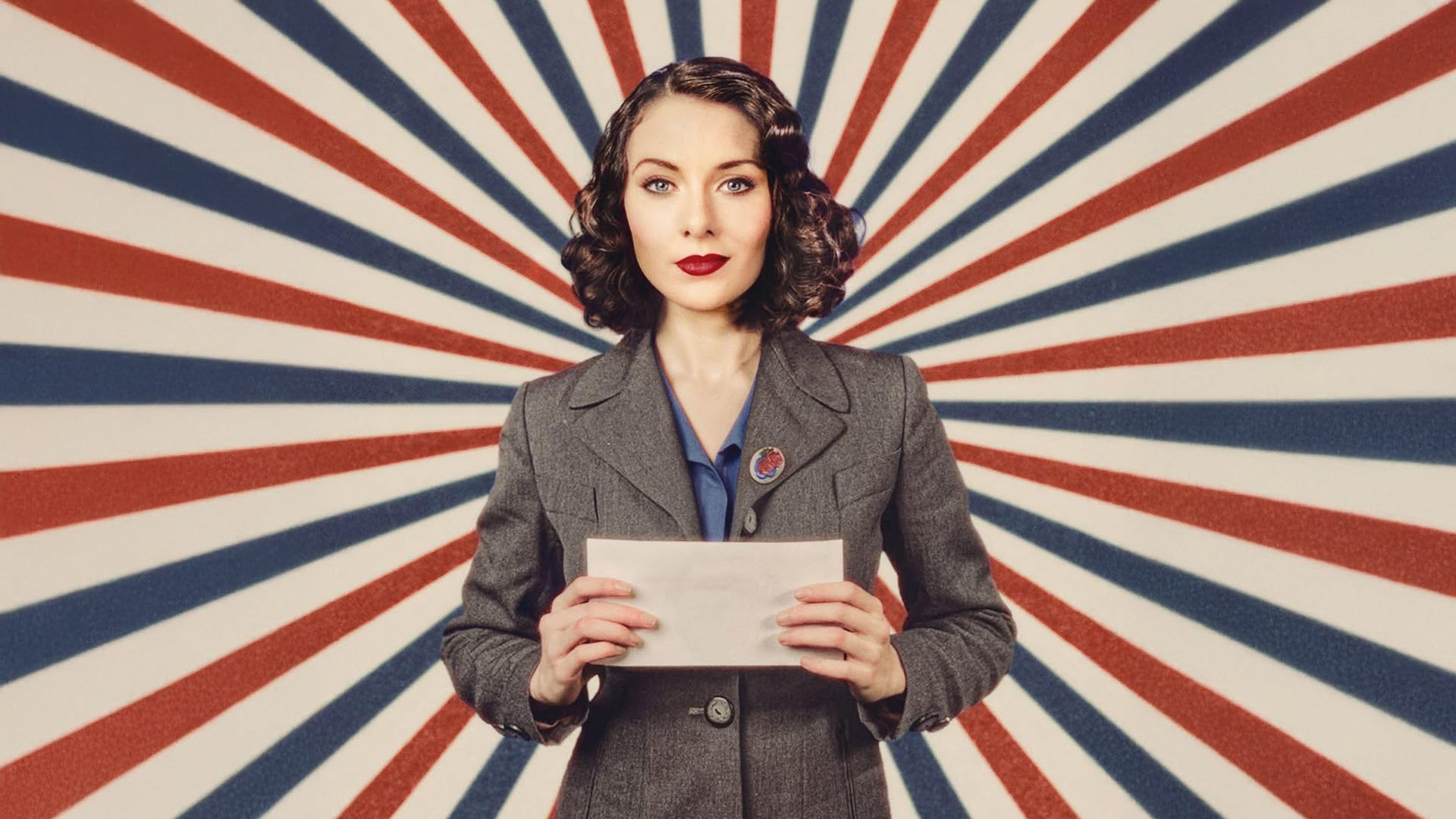
Both actresses activated their online communities with considerable effect. Hundreds of votes were cast in rapid succession, accompanied by a continued influx of new members. Snow’s campaign centred on candid, intimate video messages that spoke directly to viewers, while Tremethick adopted a more stylised approach, sharing vintage inspired wartime posters and a carefully assembled For Your Consideration style reel that echoed the traditions of classic awards campaigning.
The intensity of the contest even attracted quiet interest from a well known Hollywood actor whose career peaked during the 1990s, further underlining the reach of the Awards. For the British Horror Studio, whose aim was to draw attention to the artists involved and strengthen community engagement, the scale of participation exceeded expectations.
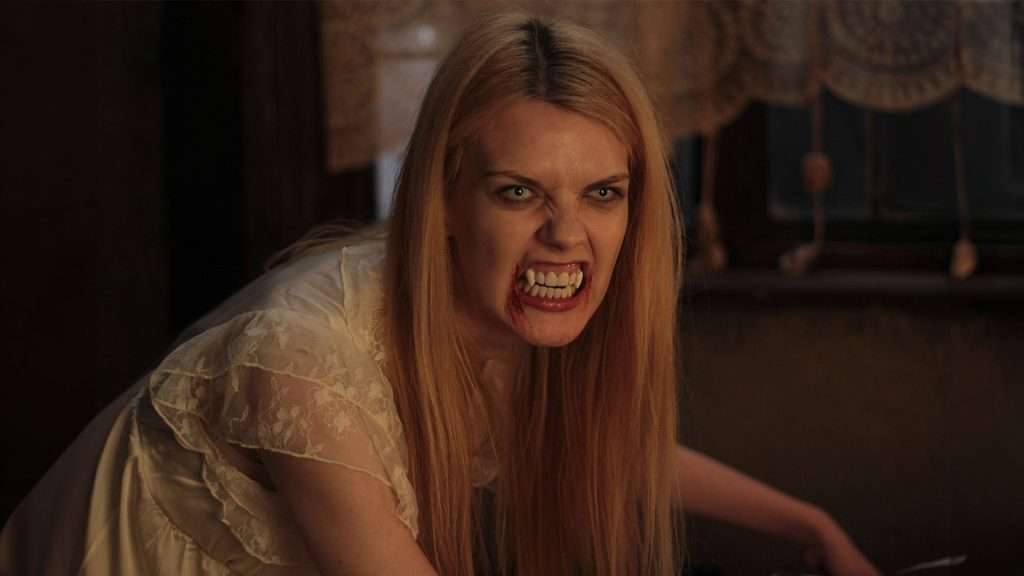
As voting drew to a close, Tremethick appeared to hold a narrow lead, edging ahead of Snow by only a few percentage points. With such a fine margin, the final result remains unconfirmed until the official announcement is made during a forthcoming black tie video presentation scheduled for shortly before Christmas.
The Battle for Best Actor
The Best Actor category proved equally dramatic, featuring a large and diverse field of nominees from across British independent horror. The contenders included Chris Black, Dorian Todd, Jonathan Hansler, Laurence R. Harvey, Michael Daviot, Sean Cronin, Stephen Corrall and many others, creating what many likened to a cinematic Royal Rumble.
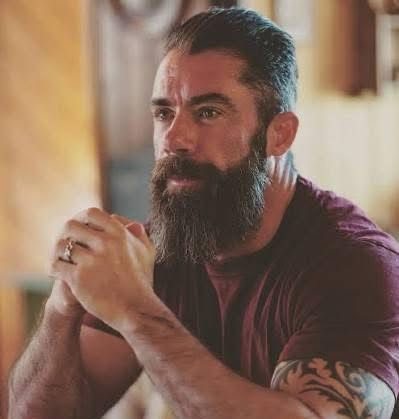
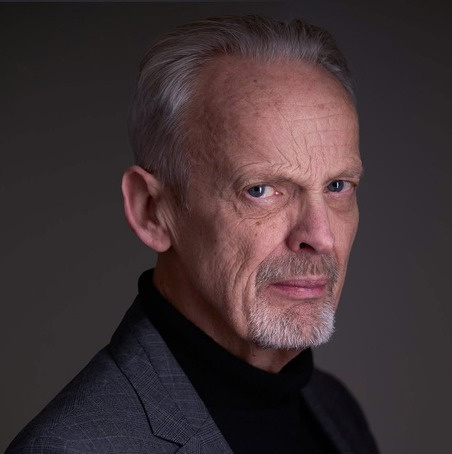
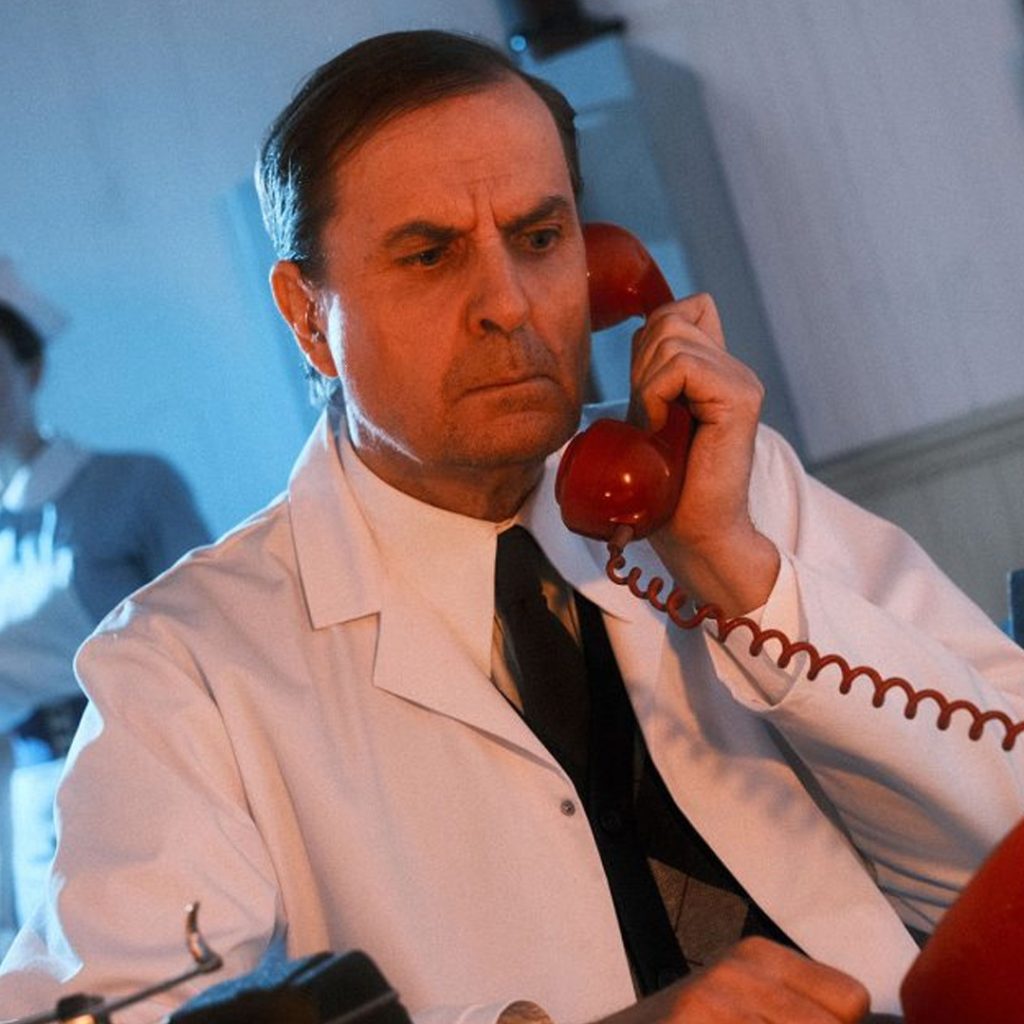
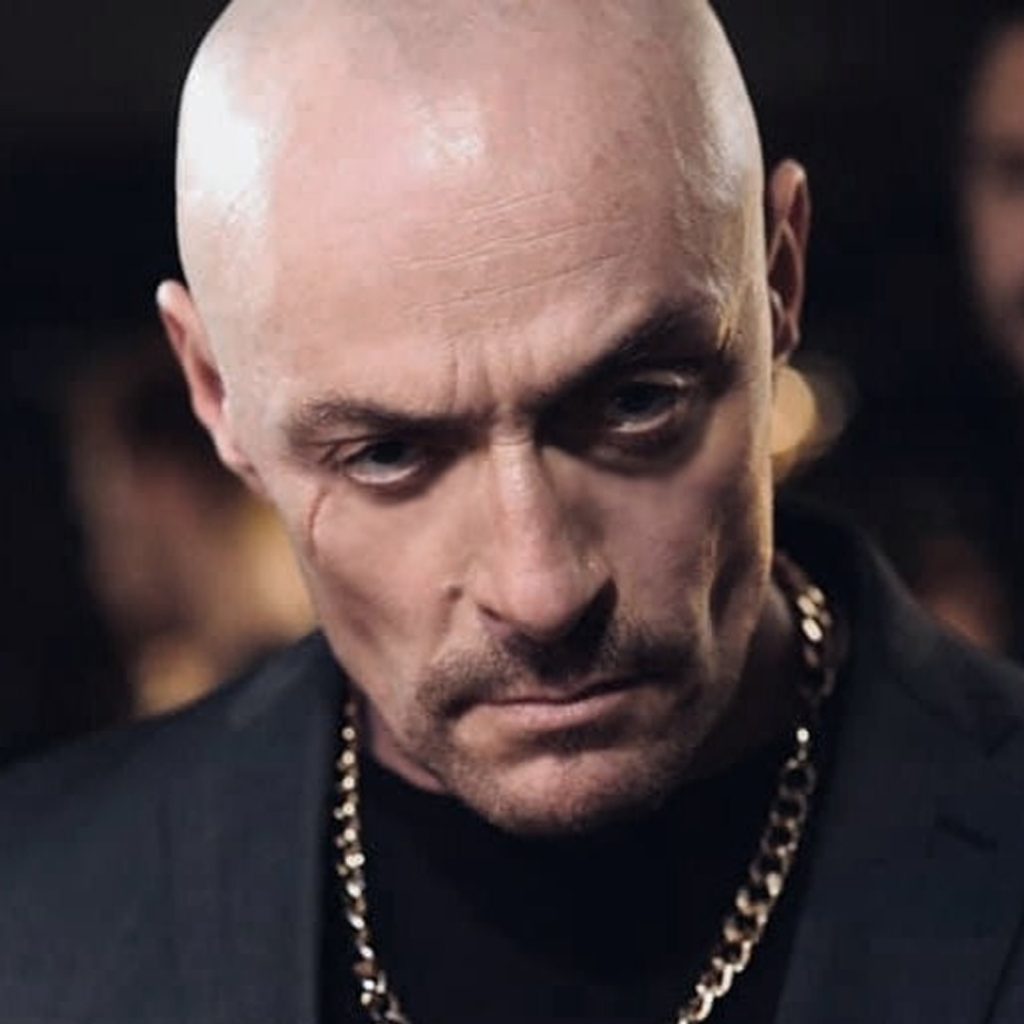
Chris Black, Stephen Corrall, Jonathan Hansler and Sean Cronin.
In the first round, Chris Black, star of The Slave and the Sorcerer, emerged as the early leader with approximately twenty per cent of the vote. Stephen Corrall provided his closest competition, recognised for his performances in The Reign of Queen Ginnarra and Shiver Me Timbers. Strong showings were also recorded by Laurence R. Harvey for In the Grip of Terror, Novarro Ramon for The Reign of Queen Ginnarra and Sean Cronin for Bogieville.
Campaigning intensified as the vote progressed, with promotional graphics and videos circulating widely. The lead shifted repeatedly between Black and Corrall throughout the five day voting window, keeping supporters in suspense until the final hours. In a dramatic reversal, Corrall surged ahead on the final day to secure victory, earning the public vote for Best Actor in one of the most memorable upsets of the Awards.
The Battle for Best Director
Following the intensity of the acting categories, the Best Director poll initially appeared calmer, though it proved no less compelling. A three way contest emerged between Sean Cronin for Bogieville, Andy Edwards for the dark fairy tale Rumpelstiltskin, and Warren Dudley for his black and white 1940s homage Fright. Thomas Lee Rutter also performed strongly with The Pocket Film of Superstitions.

With margins remaining tight, the possibility of a shared victory between Dudley and Cronin remains open. As with the other categories, the final result will be confirmed during the official announcement.
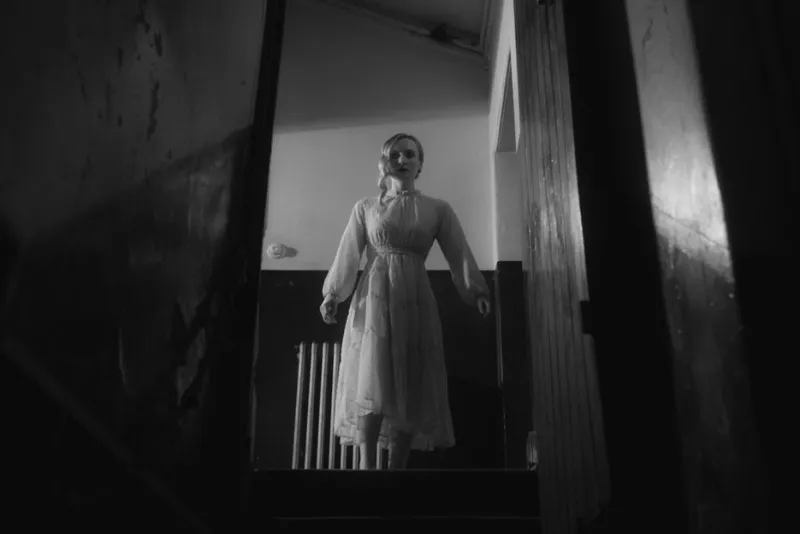
The final tallies of the British Horror Studio Awards will be revealed in a black tie video presentation shortly before Christmas, alongside the winners of the British Horror Studio Jury Awards, to be hosted on the official British Horror Studio YouTube channel.
What the Award Polls Taught Us
Taken together, the public vote highlights a defining reality of contemporary independent filmmaking. For artists operating outside traditional systems of agents, managers and institutional gatekeepers, cultivating a direct and engaged audience has become essential. Social media presence and community participation now play a central role in sustaining creative careers.
Within British independent horror, artists such as Ayvianna Snow and Megan Tremethick exemplify this shift. Both have demonstrated how audience engagement can be translated into momentum while taking practical steps to secure creative autonomy through their own production companies. Tremethick leads The B Team alongside producer Paul William Kelly, while Snow continues to develop projects through Snow Productions.
This entrepreneurial spirit is increasingly echoed elsewhere within the community. Chris Black has taken on a more active producing role, with his efforts soon to be seen in Sawney, an ambitious eighteenth century set horror feature co produced with Hex Studios.
While the public awards were open to artists working with the British Horror Studio, senior members were excluded from eligibility for the Jury Awards in order to maintain balance and independence. For those interested in British independent horror, the British Horror Studio now offers a rare opportunity to observe creativity, ambition and collaboration unfolding in real time, pointing towards a bold and increasingly self determined future for independent film.
Those interested can find further information via the British Horror Studio platform.