As the Romford Horror Festival returns for its fifth year since launching in 2021, the event is already its most ambitious yet. In a remarkably short space of time, Romford has grown from an emerging regional genre gathering into one of the UK’s most dynamic platforms for independent horror cinema.
Its ascent is notable not because of longevity, but because of velocity. Few horror festivals in Britain have expanded so quickly in both scale and cultural impact. For the first time in years, established events such as FrightFest face meaningful competition from a younger festival unafraid to centre independent British horror as a core part of its identity.
Romford is not an isolated success. It stands at the forefront of a broader resurgence in home-grown horror events. Across the UK, festivals are placing increasing emphasis on domestic talent and indigenously produced British horror films.
Horror-on-Sea, Rhyller Thriller and the Glowflare Horror Film Festival share in this commitment. They are not merely screening independent films. They are helping to shape the conditions for a revival in British independent production, fostering a cultural aesthetic that stands distinct from the increasingly US-dominated global horror sphere.
A Crisis of Confidence
Notwithstanding the cultural cringe that has beset British indigenous film over recent decades, the roots of the problem may lie in the early 1970s, when the domestic industry contracted and studios such as Hammer and Amicus entered decline.
Since then, British independent film, particularly horror, has often struggled to command meaningful domestic support. Filmmakers frequently seek international validation rather than cultivating audiences at home. The result is a kind of cognitive dislocation that has left British genre filmmaking uncertain of its own centre of gravity.
Many British indie horror filmmakers invoke corporate arthouse brands such as A24 or Neon as shorthand for artistic legitimacy. If their work aspires upward, it borrows that aesthetic vocabulary. If it aims downward, producers rush to mimic American excess, from splatter extremity to the increasingly cynical public-domain exploitation trend.
Between these two poles, something vital is lost.
The pursuit of imported models leaves a hollow space at the heart of British horror, most often expressed as a fear of earnestness. No real feeling. No real myth. No real romanticism, unless carefully packaged to avoid accusations of taking itself too seriously.
A British horror film may be permitted sincerity if framed as social realism, perhaps in stark black and white against municipal backdrops. More commonly, it becomes ironic horror, hedging its bets and hoping to be affectionately dismissed as knowingly absurd rather than scrutinised as a serious artistic statement.
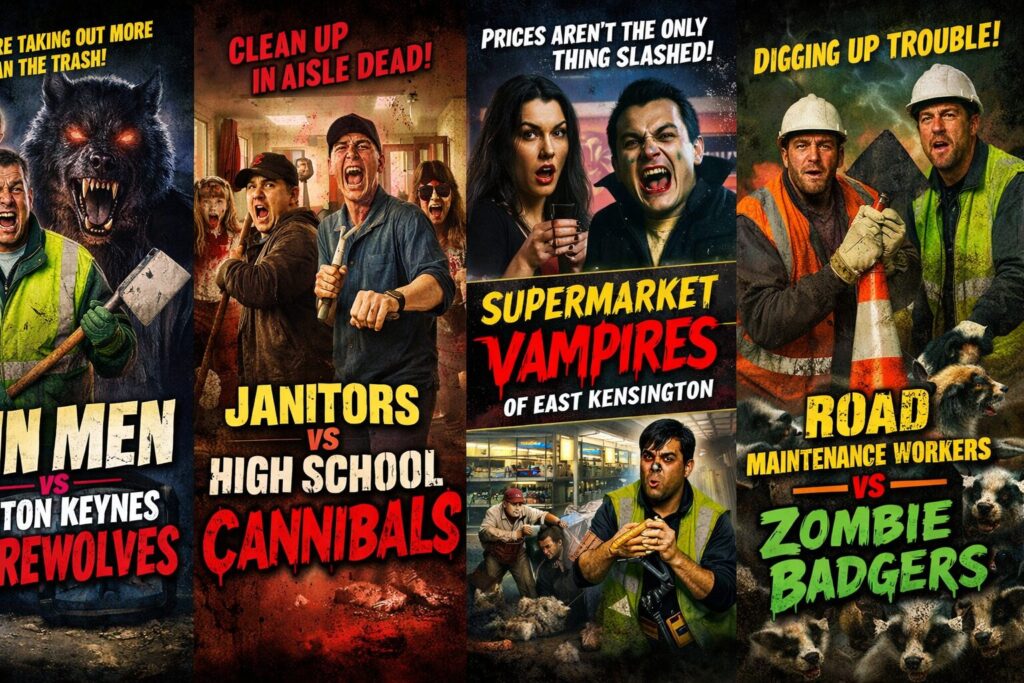
One could invent such concepts in seconds:
- Bin Men vs Milton Keynes Werewolves
- Janitors vs High School Cannibals
- Supermarket Vampires of East Kensington
- Road Maintenance Workers vs Zombie Badgers
Those films have their place. But their dominance leaves a space that was once occupied by confident, earnest British gothic and folk horror. That space is now frequently filled by filmmakers from abroad. English landscapes, folklore and myth are reinterpreted through foreign sensibilities and returned to us in stylised form.
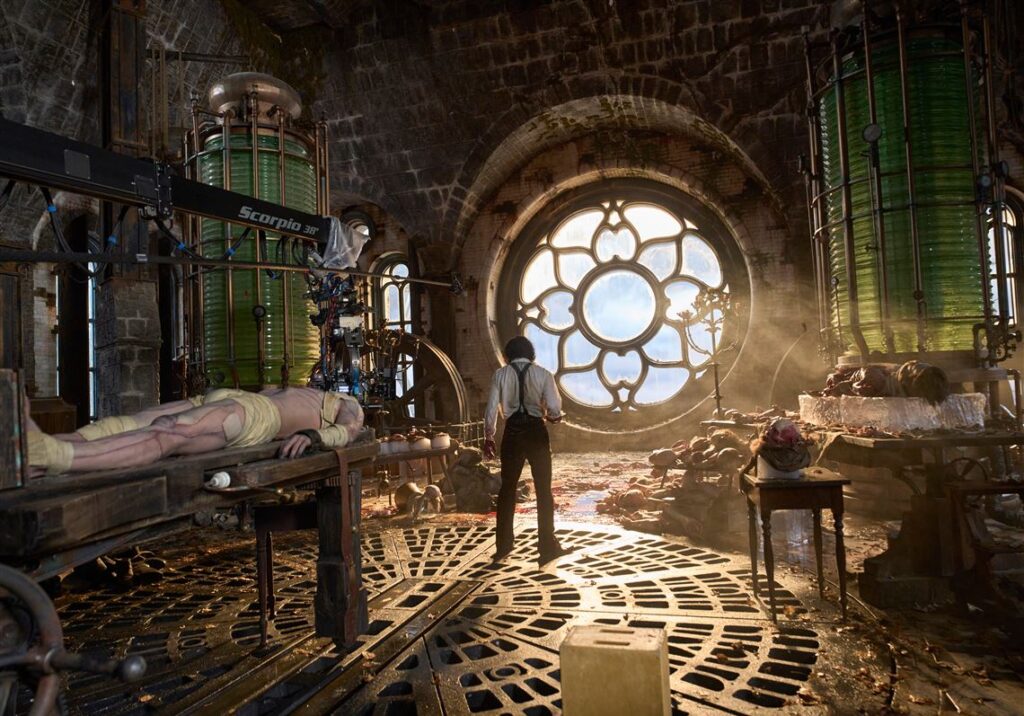
One sees it in the steampunk, bio-ware video game aesthetic that often accompanies Guillermo del Toro’s reinterpretations of British Gothic, from Crimson Peak to his vision of Frankenstein. The Victorian textures are heightened, the machinery ornate, the romanticism intensified into something almost operatic. It is beautiful, but it is not rooted in a distinctly British perspective.
Similarly, the English countryside is filtered through hyper-stylised lenses that render it mythic, ironic or arch rather than lived and rooted. Directors such as Robert Eggers approach British or Anglo folklore with seriousness and conviction, yet from an external vantage point that reframes the material as anthropological or aesthetic spectacle, while we too often hesitate to claim it as our own.
These films are often accomplished. That is not the point.
The point is that they are doing work which once would have been assumed to belong naturally to British filmmakers. The reinterpretation of British Gothic, our industrial melancholy, our haunted coastlines and pagan undercurrents, increasingly arrives from outside the culture that produced The Wicker Man, The Innocents and the Hammer cycle.
When we hesitate to treat our own mythology with earnest conviction, others will do it for us. And when they do, we applaud the vision, rarely pausing to ask why we surrendered the territory in the first place.
Festivals as Cultural Signals
This dynamic helps explain why events such as FrightFest or Celluloid Screams programme relatively few independent British horror features. Partly, organisers may believe audiences favour international titles. Partly, it reflects a domestic filmmaking scene that has struggled to project confidence.
In 2025, FrightFest selected approximately 6 British features out of 69, around 9 percent of its feature programme. Celluloid Screams screened under 10 percent British features. Grimmfest appeared to include only one clearly British feature.
These festivals are not negligent. They understand their audiences and operate within established commercial expectations. Yet programming is not neutral. Selection ratios shape perception. What is repeatedly foregrounded becomes aspirational. What is marginal becomes peripheral.
At FrightFest, the First Blood strand included four British premieres in 2025, an encouraging development. Yet these films played largely within a subsidiary component of the programme, while more commercially provocative titles such as Bambi: The Reckoning occupied prominent main-screen positioning. The result is not merely exhibition. It is signalling. The signal, whether intended or not, is that British horror is safest when it invites ridicule rather than respect.
When public-domain exploitation or knowingly ironic spectacle becomes the most visible form of British horror on major festival screens, that shapes expectation. It influences what aspiring filmmakers believe will travel, what investors believe will sell, and what audiences believe British horror is.
This is not a moral failing on the part of festivals. It is a structural reality. They programme according to perceived demand. Producers chase trends that appear validated. A feedback loop emerges.
Against this backdrop, the contrast is striking.
Romford Horror Festival 2025 screened over 200 films, with an estimated 35 to 45 percent British-produced films. Glowflare’s line-up was approximately 55 percent British. Horror-on-Sea presented an estimated 25 to 30 percent British features.
These are not marginal adjustments. They represent a different curatorial philosophy, one that aligns directly with the development of British independent film rather than positioning it as an auxiliary strand within an international showcase.
A Different Audience Emerging
The consequence of this, combined with the rapid growth of the Romford Horror Festival, is that a new tier of audience and filmmaker can begin to emerge. An audience that does not attend festivals merely to see the latest corporate offerings with a sliver of independent titles relegated to smaller screens, but one that treats British indie horror as a developing genre in its own right, deserving a substantial share of prime screening slots and appropriately scaled venues.
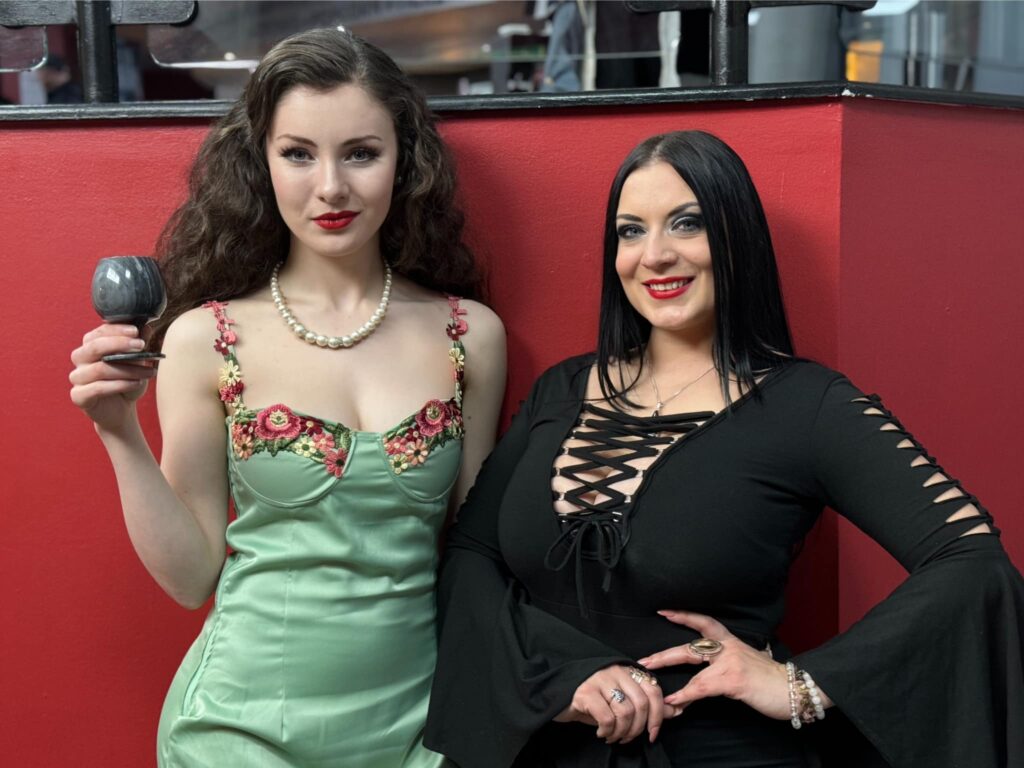
This shift expands the range of content that producers are willing to create. When there is a receptive domestic platform, filmmakers are more inclined to pursue sincerity rather than self-protective irony.
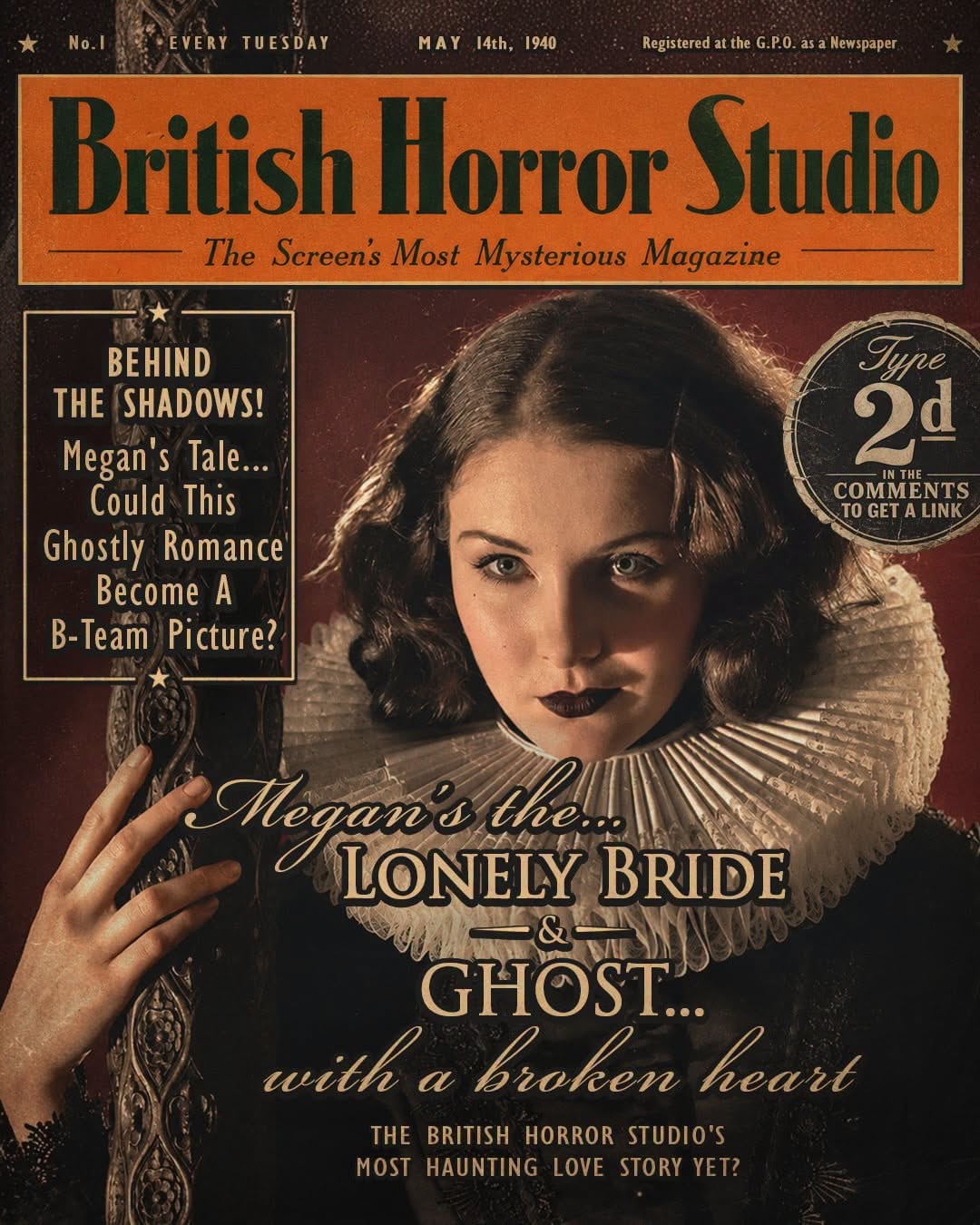
For example, with the British Horror Studio, alongside Hex Studios and Amicus Productions, the growth of such festivals creates tangible options for exhibition. It means screening films to audiences that are supportive rather than cynical towards British independent work, audiences prepared to engage with earnest storytelling and performance without demanding detachment as a shield.
Too often we speak of horror fans as though they are a homogeneous bloc. They are not.
Some attend festivals for the gloss of studio production and the prestige of celebrity premieres. They are drawn to proximity with cultural power. Others are less concerned with spectacle and more invested in substance. They value independent film, reject gatekeeping culture and are committed to a British horror tradition confident enough to stand on its own terms.
As an independent producer, it is wise to understand that distinction when deciding where to submit your film.
All festivals serve an important purpose. But supporters of independent British horror, and the filmmakers themselves, would be wise to recognise where sustainable growth truly lies. It is not in borrowed prestige. It is in grassroots cultivation, in audience development and in the steady expansion of domestic exhibition.
That shared growth of events, audiences and production allows British horror to stretch beyond ironic imitation or anxious mimicry of American trends. Mainstream festivals may hesitate to divert greater space to indigenous British horror. But those willing to invest in it now may well find themselves at the forefront of its revival.
The Romford Horror Festival returns from 19 to 22 February 2026, marking another chapter in what increasingly feels like a broader reawakening of confidence within British horror.
About Lawrie Brewster
Lawrie Brewster is a veteran horror film producer with over 15 years of experience. He leads Hex Studios, serves as president of Amicus Productions, and runs the British Horror Studio project in collaboration with filmmakers from around the world.
You can follow Lawrie Brewster on his official website: www.lawriebrewster.com
Lawrie has recently published a series of fascinating articles, including his five top tips for indie filmmakers, his thoughts on the current state of film distribution, the creation of the British Horror Studio project, his journey from outsider to filmmaker, and his staunch defence of 1980s-style Sword and Sorcery.
He also recently interviewed Tony Mardon and Andy Edwards on the challenges, stresses, and psychological battles involved in producing films and remaining (somewhat) sane. Do give them a read!