There is a particular modern habit in literary criticism that might resemble sophistication, with its popular definitions and categorisations, deconstructing complex and multi-faceted themes into jigsaw puzzle pieces so that they can be neatly arranged and described. A bit like tidying up the kitchen. In responding to the BBC’s recent framing of Wuthering Heights, this process becomes especially visible when a deliberately unruly novel is rushed towards a declaration that culminates in: This is really about X. Thus, it pins the entire work to a noticeboard like some interesting insect, labelled, classified, and made safe.
Safe… we will be returning to that word a few times.
That, to my mind, is what the BBC piece here, authored by Molly Gorman, risks doing when it leans on the phrase “toxic romance” as a kind of interpretive conclusion, neatly arranged, no doubt, for those encouraged to define all modern relationships by psychological definitions and pseudo-scientific buzz phrases. It lets us feel modern, but Wuthering Heights is not, and neither is love.
Yes, Wuthering Heights is harrowing. Yes, its central relationship is destructive, placing its willing, and sometimes unwilling, participants in a maelstrom of emotion and violence. But to reduce Catherine and Heathcliff to a cautionary example of “toxicity” is to shrink a storm into a puddle. Worse still, it translates a metaphysical drama into the language of a petite modern relationship advice column and, in doing so, it quietly changes the book’s scale.
Gorman is perhaps uncomfortable with that defining concept within the novel because it betrays any simple attempt to categorise. It is hardly rational, and cannot be truncated into a socio-political buzz phrase that resonates with the youth of today. But nevertheless, the novel is nothing without its metaphysical core.
Which, again, is not to ignore or defend the cruelty of the characters, nor is it a plea to romanticise the abuses they suffer. But it is a defence against the keyboard of the modern journalist, who attempts to simplify the novel through categorisation. Brontë does not merely narrate dysfunctional behaviour to be analysed by amateur psychologists. She stages love as an elemental force, amoral, vast, and sometimes terrible.
The problem with “toxic romance”
“Toxic” is an overused buzzword that does have some usefulness in real-life settings. It can help people recognise patterns, leave harmful relationships, and set boundaries. But in literary analysis it can become a “safe” shortcut, and that shortcut smuggles in an assumption. It assumes that love, to count as love, must be good.
Brontë does not share that assumption. Or rather, she writes as though the assumption is irrelevant because… it is.
The central insight of Wuthering Heights is not, “Look how badly people can treat each other,” though it certainly contains that. The insight is: what if love is not a virtue at all? What if it is closer to gravity, something that binds, pulls, and consumes, whether it is convenient or not?
Catherine’s famous claim that she and Heathcliff are made of the same substance is not an ethical statement. It is an ontological one. It tells us we are no longer in the cosy world where romance is a moral reward for decent behaviour. We are in a world where feeling can be true and still destroy.
Gorman is correct to say the novel is not the “greatest love story” in the sentimental sense. But it risks replacing sentimentality with diagnosis, as though the only alternative to naïve romantic myth is psychological reduction.
There is another alternative: tragedy.
Brontë isn’t diagnosing. She’s myth-making.
One reason modern interpretation often reaches for the language of pathology is that Brontë’s characters are so extreme. Heathcliff’s cruelty is not merely unpleasant. It is operatic. Catherine is not merely wilful. She is self-consuming. The emotional temperature is too high to remain in the realm of ordinary realism.
But that extremity is the point. Wuthering Heights is Gothic not simply because it has moors, storms, and ghosts, but because it treats emotion as an environment. Brontë takes feelings we tend to domesticate, such as longing, jealousy, pride, and grief, and lets them become weather.
Catherine and Heathcliff are closer to a mythic pair. They are a single force split into two bodies, trying to reconcile itself against the structures of class, civilisation, and time. Their bond is not “unhealthy” in the way a modern therapist might describe. It is inhumanly large. Brontë asks: what does it look like when love refuses to be manageable?
And if the answer is destruction, that does not mean the love is counterfeit. It means the love is indifferent to our wish that love should always be kind. You know… like love often is.
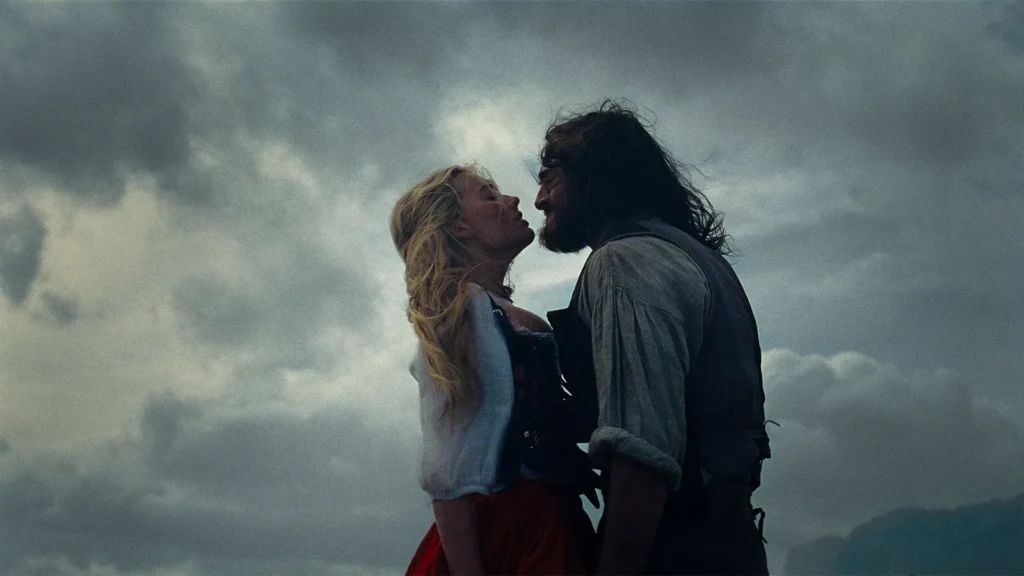
“Misunderstood” by whom?
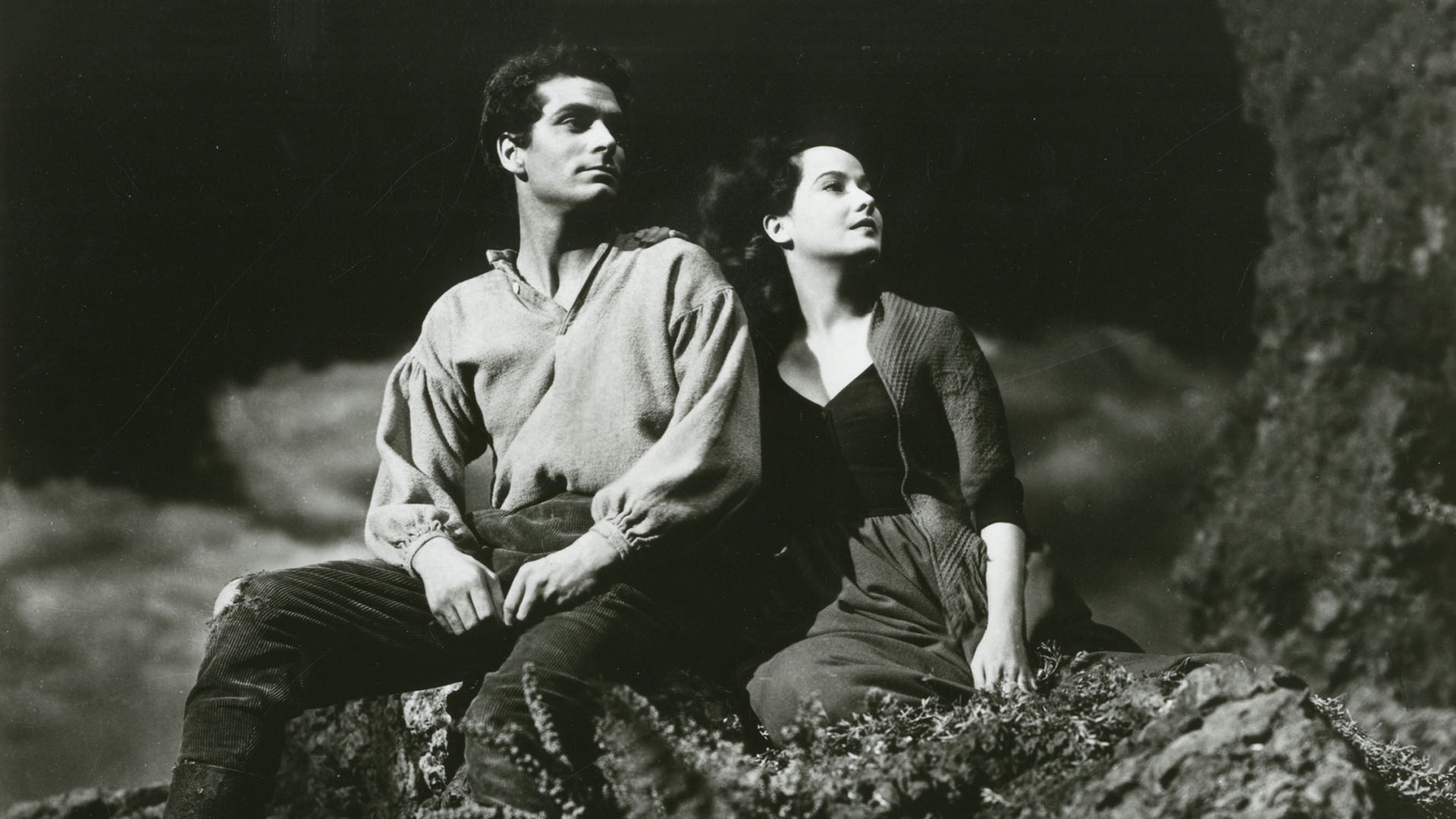
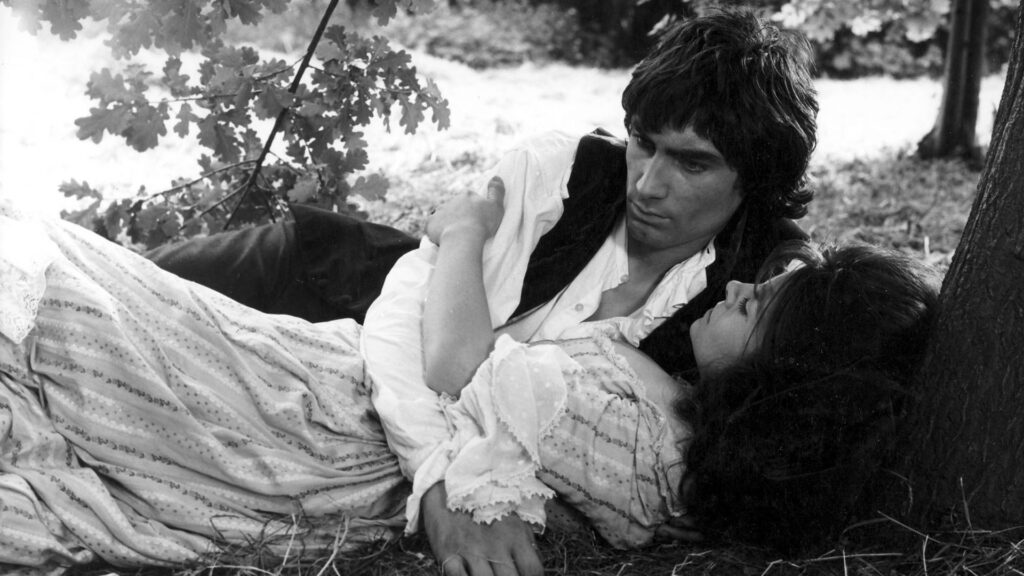
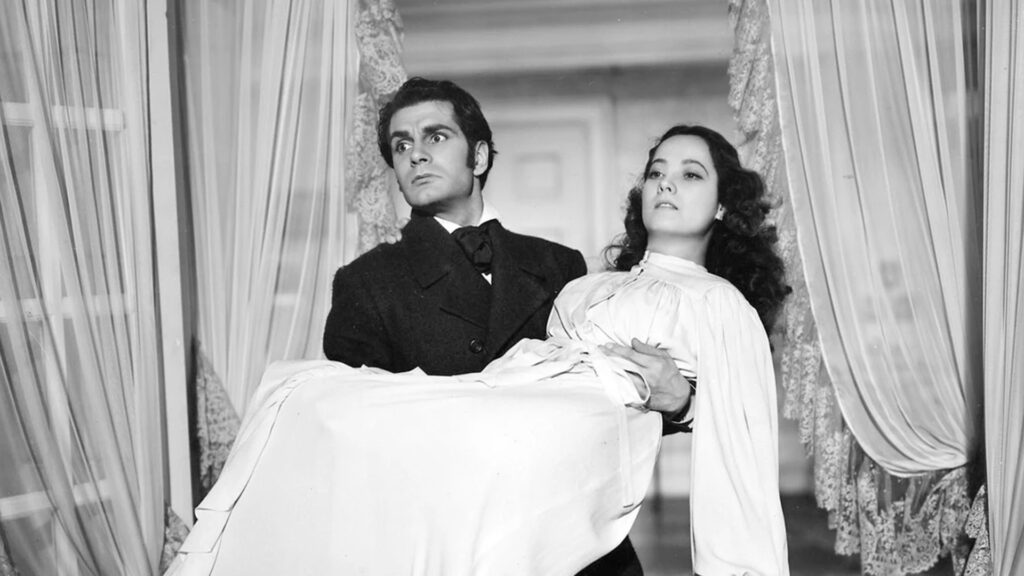
It is also tempting to frame the novel as misunderstood because popular culture has often marketed it as pure romance, most notably in the wonderful 1939 film adaptation starring Merle Oberon and Laurence Olivier.
But Gorman slightly overplays the notion that a single enlightened reading exists, the corrective reading, and that this reading is primarily: “It’s revenge, and the romance is toxic.”
Yet the novel’s power is that it refuses to settle into one moral box. Heathcliff is a victim and a villain. Catherine is lucid and delusional. The moors are freedom and exposure. Home is shelter and prison. Brontë does not hand us a verdict. She hands us a contradiction and insists we hold it, and that is a problem for a modern audience that wants quick fixes, top tips, and instant answers.
To call the romance “toxic” may be accurate at the level of behaviour when viewed through a Twitter-shaped prism. But Wuthering Heights is not primarily about behaviour. It is about being.
The question is not “Should these people be together?” The question is “What happens when two selves experience their connection as more real than the social world that contains them?”
That is a much more interesting question, and one whose answer plays out in wild and elemental terms within the novel. It is also not a question any label can answer.
The metaphysical charge the BBC skates past
The BBC article nods to ghosts and shock, but it does not linger on the novel’s strangest proposition. It proposes that love might outlast death, not as a comforting afterlife reunion, but as a refusal of separation.
Heathcliff does not want healing. He wants continuity, even if that continuity is torment. When he begs Catherine to haunt him, the request is grotesque and holy at once. It is a desire for union that has slipped beyond morality into metaphysics.
If we read this simply as “obsession,” we flatten the book into a contemptible form of minimalist psychology. But Brontë keeps opening doors that psychology alone does not explain. There is the uncanny feeling that the bond is bigger than the individuals. That the landscape holds memory. That identity itself can dissolve.
In other words, Brontë is not only writing about what love does to people. She is writing about what love is, when it is not sanitised into goodness.
Yes, the second half matters, but not for what you think.
Gorman is strongest when she criticises adaptations that omit the second half. That omission does often turn the story into a more palatable romantic tragedy.
But the second half is not simply the punishment section. It is not there to teach us that passionate love leads to bad outcomes. Brontë is subtler than that.
The second generation, Cathy and Hareton, does not merely provide moral correction. It provides a different mode of love, one that is patient, reparative, and liveable. This is not Brontë saying, “Here’s the healthy alternative, everyone.” It is Brontë showing that love can be elemental and catastrophic, and yet something gentler can still emerge in its aftermath. The novel does not deny the storm. It shows what grows after it.
That is tragedy’s deeper promise. It is not moral judgement, but transformation.
What would it mean to “do the book justice” on screen?
The BBC article ends with a tiresome refrain: perhaps no film can do the novel justice. That line has become almost ceremonial around “unfilmable” classics. But the difficulty is not the plot. It is the category error.
Most cinema wants one of two things:
- a romance to feel
- a warning to learn
Wuthering Heights offers neither cleanly. It offers an encounter with something otherworldly.
A filmmaker “doing it justice” would need to resist both temptations: the temptation to beautify the love into something “safely” romantic, and the temptation to reduce it into a grotesque advice column about toxicity.
The book’s genius is that it refuses to be a brochure for either desire.
A truly Brontëan adaptation would feel less like a love story with a message and more like a haunting. It would be something you cannot quite moralise, because it has already seeped under the skin.
Not a particularly alien concept, really, for artists and fans of the Gothic tradition… but I digress.
Let love be terrible, too
Brontë’s borderline scandal was not only that she showed cruelty in her novel. Many novels do that.
Her scandal was that she treated love as something that does not automatically ennoble. Love can degrade. Love can destroy. Love can be true and still be monstrous. That is not a comforting idea, and perhaps our neo-puritanical era, even more than the Victorians before us, wants a politicised sense of comfort from the word “love”.
But if we only permit love to mean “goodness,” we misunderstand not only Wuthering Heights, but a long tradition of tragic art. Brontë is not asking us to approve of Heathcliff. She is asking us to admit that human feeling can be vast, indifferent, and real, and that reality does not arrive with a moral label attached.
So yes, some may wish to deconstruct the old romantic myth.
But let’s not replace it with a stupid modern myth: that the only truthful reading is clinical. Brontë did not write a case study. She wrote a storm, and storms do not care whether we call them healthy.
About Lawrie Brewster
Lawrie Brewster is a veteran horror film producer with over 15 years of experience. He leads Hex Studios, serves as president of Amicus Productions, and runs the British Horror Studio project in collaboration with filmmakers from around the world.
For a vintage version of this article, you can visit the British Horror Chronicle here.
You can follow Lawrie Brewster on his whimsical blog: www.lawriebrewster.com
Lawrie has recently published a series of fascinating articles, including his five top tips for indie filmmakers, his thoughts on the current state of film distribution, the creation of the British Horror Studio project, his journey from outsider to filmmaker, and his staunch defence of 1980s-style Sword and Sorcery.
He also recently interviewed Tony Mardon and Andy Edwards on the challenges, stresses, and psychological battles involved in producing films and remaining (somewhat) sane. Do give them a read!