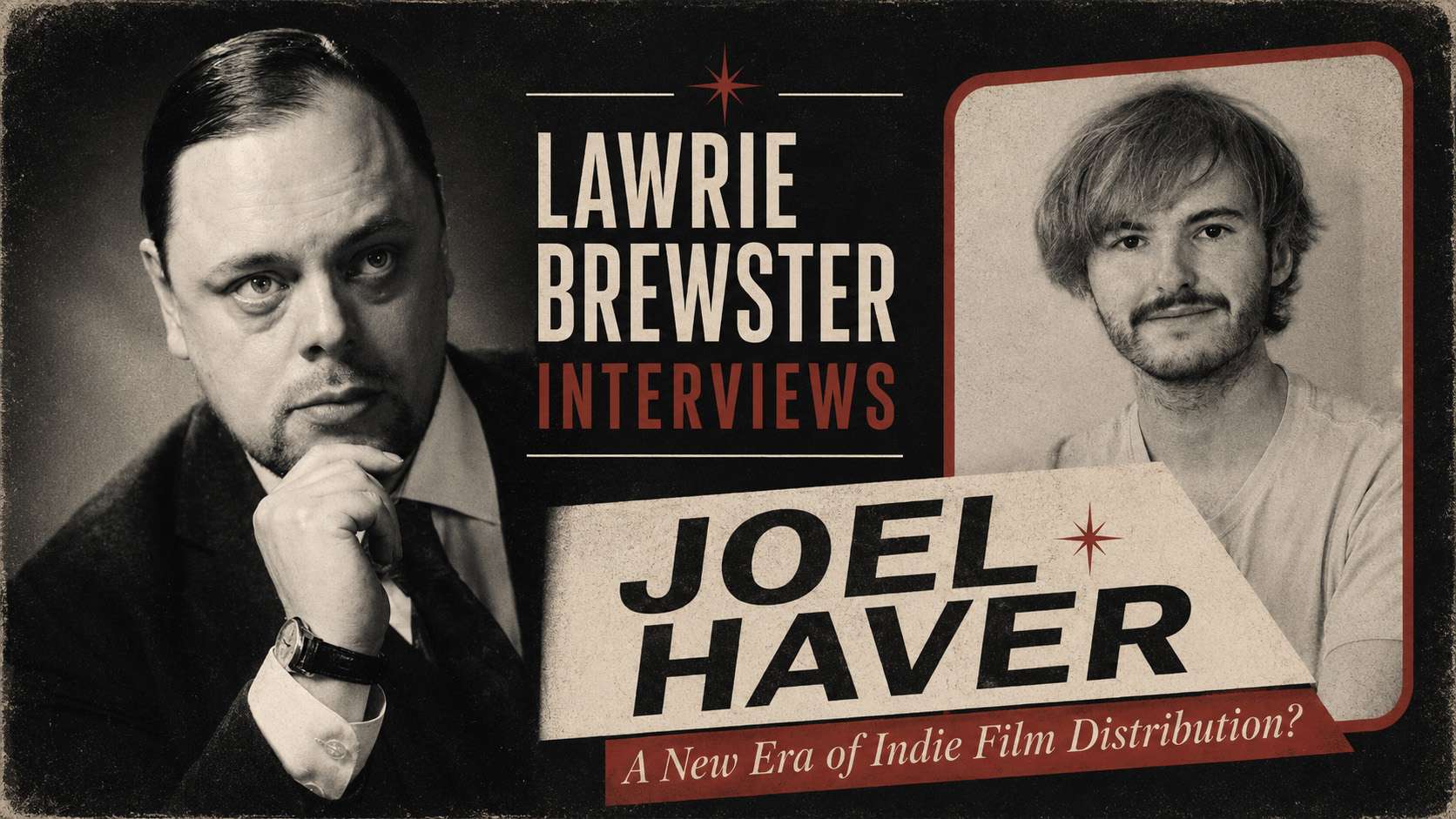
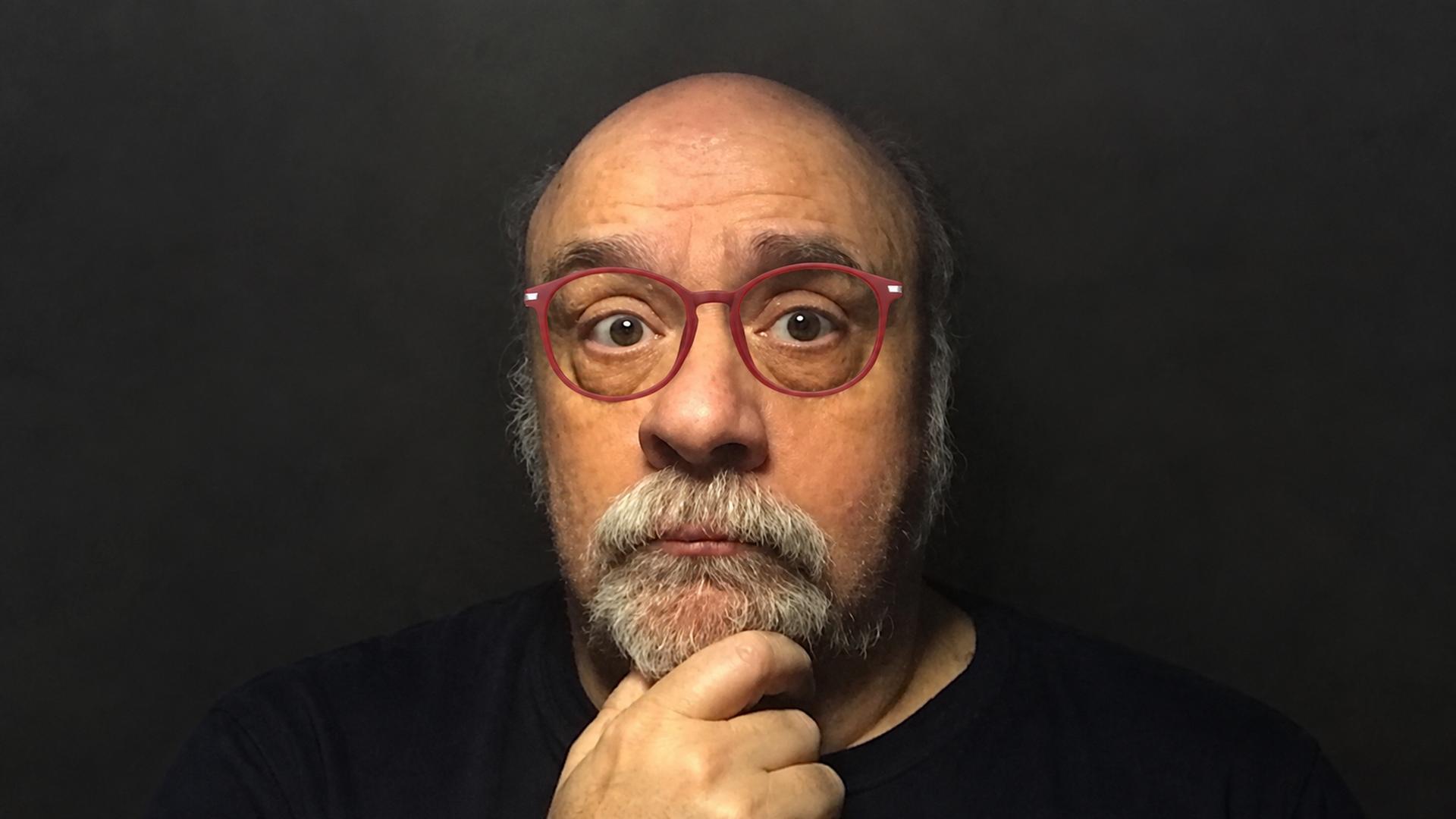
Joseph Renzetti, The composer of Child’s Play, Dead & Buried and Poltergeist III joins Lawrie Brewster to discuss an extraordinary life in music, the business of Hollywood, and what keeps an artist going after the applause has faded.
Have you ever wondered what it might feel like to finally accomplish your dream of winning an Academy Award?
It might sound like a remarkable question for anyone working in independent horror. Just being able to afford a packet of Super Noodles, with the occasional luxury of an ice cream Mars Bar, might seem like enough of an award in itself.
But what if we could learn something from an artist who had accomplished what, for most of us, remains somewhere beyond the dreams of possibility? Someone who had actually ascended the stage to collect that famous golden trophy from Dean Martin and Raquel Welch.
That gentleman is Joseph Renzetti, better known to many as Joe, who won the Academy Award for Best Adaptation Score in 1979 for his work on The Buddy Holly Story. Horror fans, however, may know him best for his fantastic scores for Child’s Play, Dead & Buried and Poltergeist III.
I recently had the opportunity to speak with Joe for Lawrie Brewster Interviews. Our conversation explored the experience of winning an Oscar, the rather less glamorous business of what happens afterwards, and the determination required to keep making things through all of it.
From Philadelphia to the Academy Awards
Long before Chucky arrived to make the toy cupboard considerably less inviting, Joe had already built an extraordinary career in music.
Beginning as a guitarist at Cameo-Parkway Records in Philadelphia, he went on to arrange recordings including Bobby Hebb’s “Sunny” and Barry Manilow’s “Mandy”. His journey took him from Philadelphia to New York and eventually Los Angeles, carrying with him the experience, friendships and reputation developed through years of working with other musicians.
I found that part of our conversation particularly valuable, as it dispels some of the myths about how big breaks happen. Renzetti talks about his own success and offers good, pragmatic, blue-collar-style advice drawn from his experience. He grafted, and he tells us how.
An Oscar, a Razzie nomination, and the challenging work in between
Winning an Oscar is generally presented as the moment when an artist’s professional troubles politely excuse themselves and leave the building, leaving the artist in question floating across a sea of endless chocolate buttons.
But… Joe’s experience was rather more complicated, just like life normally is. The award did help bring more opportunities, but it also came with daunting expectations, shocking assumptions and the Byzantine politics of an industry whose affection may be more conditional than that of a Roman senator’s dinner party.
Then there was Under the Rainbow, the 1981 comedy whose music earned him a Razzie nomination for Worst Musical Score, probably coming second to my own karaoke renditions at Bogart’s pub on a Friday night. Certainly, Hollywood does like to keep an artist “emotionally limber”.
He speaks candidly about his disillusionment with the filmmaking scene in Los Angeles. There is no attempt to pretend that every difficult day was secretly wonderful, expressing a rare transparency that should prove fruitful for filmmakers today. Yet, thankfully, his appetite for making music has survived, and he did eventually return to his homeland of Pennsylvania, where he continues to work today amid a wonderful local artistic community.
Still looking for the next challenge
Joe’s career in genre cinema includes Frankenhooker and the Basket Case sequels, while his more recent independent work includes Dead Before They Wake.
There is practical wisdom throughout the interview, but also something useful for the artistic spirit. It comes from the perspective of someone who has spent decades working in the trenches with some of the most famous artists in Hollywood.
These are subjects that have also surfaced in my conversation with Aaron Truss about Employee of the Dead, where friendship and the determination to finish a long-imagined film are inseparable from the filmmaking itself.
And, naturally, it would be remiss of me not to suggest that the British Horror Studio should find an opportunity to work with Joe. I would very much like that to happen. The possibility even finds its way into our conversation, as you might expect from a producer who struggles to leave an interview without discussing another film.
But before I digress any further, put the kettle on and enjoy our full conversation on Lawrie Brewster Interviews. It runs for just over an hour, and there is plenty here for composers, filmmakers and anyone attempting to make a life out of their imagination.
Watch the full Joseph Renzetti interview on YouTube.
About Lawrie Brewster
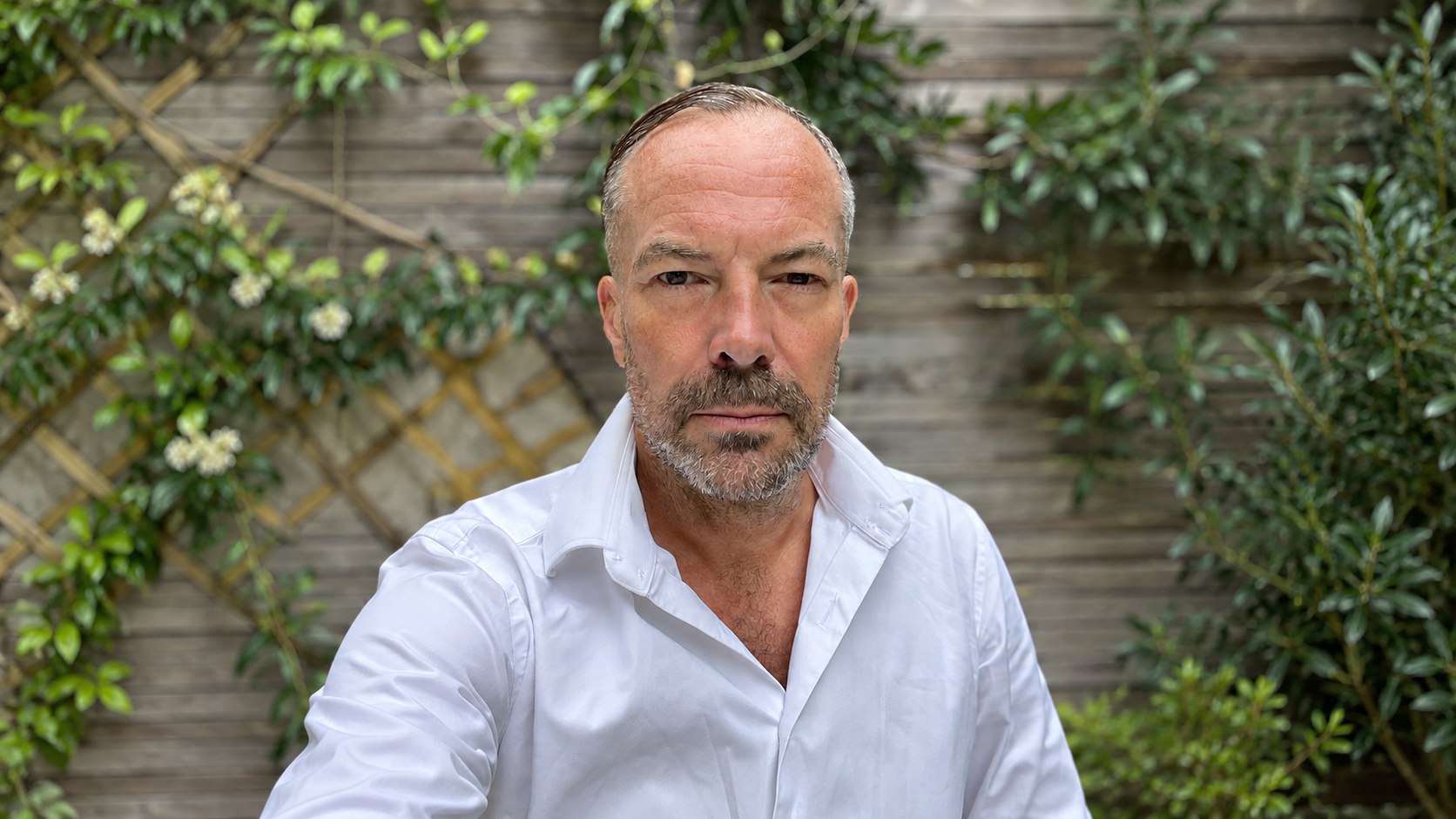
Lawrie Brewster is a producer and director working in independent horror cinema. He leads the British Horror Studio, serves as President of Amicus Productions, and oversees the British Horror Studio community.
Watch more conversations on Lawrie Brewster Interviews, or read further articles by Lawrie Brewster on Amicus Horror.